Industrial parks are among the most important drivers of India’s manufacturing and industrial growth. Designed with modern infrastructure, these planned business zones provide industries with ready-to-use facilities, better connectivity, and a supportive ecosystem for production, logistics, and business expansion.
Across India, central and state governments, along with private developers, have established industrial parks dedicated to sectors such as automobiles, electronics, pharmaceuticals, food processing, textiles, engineering, renewable energy, and logistics.
Whether you are an entrepreneur, manufacturer, investor, exporter, or business owner looking to establish operations, this guide explains everything you need to know about industrial parks in India.
Quick Information
| Topic | Details |
| Guide | Industrial Parks in India |
| Purpose | Planned Industrial & Manufacturing Development |
| Developed By | Government Authorities & Private Developers |
| Common Users | Manufacturers, MSMEs, Exporters, Logistics Companies |
| Infrastructure | Roads, Utilities, Warehouses, Common Facilities |
| Major Industries | Automobile, Electronics, Pharma, Textile, Food Processing, Engineering |
What Is an Industrial Park?
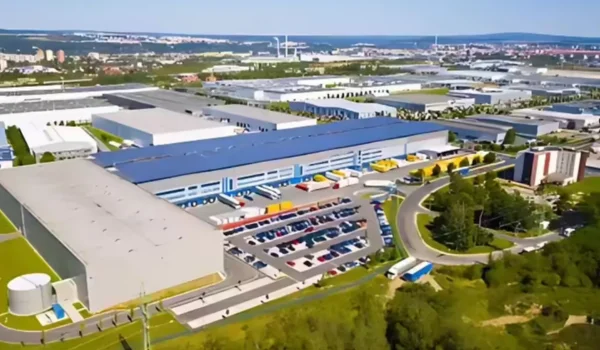
An industrial park is a planned business zone developed specifically for industrial and manufacturing activities. These parks provide businesses with essential infrastructure such as industrial plots, internal roads, electricity, water supply, drainage, communication networks, security, and logistics facilities.
Unlike traditional industrial areas, industrial parks are often designed with better planning, modern utilities, and sector-specific infrastructure to improve business efficiency.
Industrial parks may be developed by central government agencies, state industrial development corporations, or private developers.
Why Industrial Parks Are Important
Industrial parks play a major role in supporting India’s manufacturing sector.
They help:
- Promote industrial investment
- Generate employment opportunities
- Improve industrial infrastructure
- Reduce operational costs
- Strengthen supply chains
- Increase exports
- Encourage domestic manufacturing
- Support MSMEs and large industries
- Attract foreign investment
Industrial parks also help industries operate in organized environments with better infrastructure and long-term expansion opportunities.
Types of Industrial Parks in India
Industrial parks are developed to support different industries and business requirements.
Multi-Product Industrial Parks
These parks accommodate businesses from multiple industries such as engineering, manufacturing, packaging, logistics, and fabrication.
Automobile Industrial Parks
Designed for automobile manufacturers and auto component suppliers.
Common industries include:
- Passenger vehicles
- Commercial vehicles
- Auto components
- EV manufacturing
- Engineering
Electronics Manufacturing Parks
Developed for electronics production including:
- Consumer electronics
- Mobile manufacturing
- Semiconductor support industries
- Electronic components
- Electrical equipment
Pharmaceutical Parks
These parks support pharmaceutical manufacturing, biotechnology companies, medical equipment manufacturers, and healthcare industries.
Textile Parks
Textile parks are established to promote spinning, weaving, garment manufacturing, dyeing, processing, and apparel exports.
Food Processing Parks
These parks support industries involved in:
- Food manufacturing
- Cold storage
- Packaging
- Agro processing
- Beverage production
Engineering & Heavy Industry Parks
These industrial parks accommodate:
- Machine manufacturing
- Fabrication
- Heavy engineering
- Industrial equipment
- Metal processing
Logistics & Warehousing Parks
Modern logistics parks are designed for:
- Warehousing
- Distribution
- Freight handling
- Supply chain management
- E-commerce fulfillment
Common Features of Industrial Parks
Industrial parks generally provide better infrastructure than conventional industrial areas.
Common facilities include:
- Industrial plots
- Factory-ready land
- Wide internal roads
- Reliable electricity
- Water supply
- Drainage systems
- Street lighting
- Warehousing
- Logistics facilities
- Parking
- Security
- Administrative buildings
- Green spaces
- Fire safety infrastructure
- Communication networks
The available facilities may vary depending on the industrial park.
Industrial Park vs Industrial Area vs Industrial Estate
| Feature | Industrial Park | Industrial Area | Industrial Estate |
| Planning | Modern & Planned | General Industrial Zone | Planned Industrial Complex |
| Infrastructure | Advanced | Standard | Planned Infrastructure |
| Industries | Multi-sector or Sector-specific | Mixed Industries | Mostly MSMEs & Manufacturing |
| Developer | Government & Private | Government/Private | Mostly Government |
| Expansion | High | Moderate | Moderate |
Major Industrial Parks in India
India has numerous industrial parks across different states.
Some of the well-known examples include:
SIPCOT Industrial Parks (Tamil Nadu)
SIPCOT develops industrial parks that support automobile manufacturing, electronics, engineering, and export-oriented industries.
Sri City (Andhra Pradesh)
A large integrated business city that hosts companies from electronics, automobiles, logistics, food processing, engineering, and manufacturing sectors.
Sanand Industrial Region (Gujarat)
Known for automobile manufacturing, engineering industries, and industrial investments.
Oragadam Industrial Corridor (Tamil Nadu)
A major automobile and manufacturing hub with global manufacturers and component suppliers.
Mahindra World City (Tamil Nadu & Rajasthan)
An integrated industrial and business township supporting manufacturing, IT, logistics, engineering, and exports.
Electronic City Industrial Cluster (Karnataka)
Although widely known as an IT destination, the surrounding region also supports electronics manufacturing and hardware industries.
IMT Manesar (Haryana)
One of North India’s leading industrial and manufacturing destinations with automobile, engineering, and logistics industries.
Chakan Industrial Region (Maharashtra)
A major automobile manufacturing hub with engineering and industrial production facilities.
Industrial Development Authorities Supporting Industrial Parks
Industrial parks are developed by different government organizations across India.
| State | Development Authority |
| Maharashtra | MIDC |
| Gujarat | GIDC |
| Uttar Pradesh | UPSIDA |
| Haryana | HSIIDC |
| Rajasthan | RIICO |
| Tamil Nadu | SIPCOT |
| Karnataka | KIADB |
| Andhra Pradesh | APIIC |
| Telangana | TGIIC |
| Uttarakhand | SIDCUL |
These authorities develop industrial infrastructure, allocate industrial land, and encourage industrial investment.
Benefits of Setting Up a Business in an Industrial Park
Industrial parks offer several advantages for businesses.
Modern Infrastructure
Industrial parks provide planned infrastructure that supports efficient industrial operations.
Better Connectivity
Many parks are located close to highways, railway networks, airports, ports, and logistics hubs.
Business Ecosystem
Industries benefit from being located near suppliers, customers, logistics companies, warehouses, and service providers.
Expansion Opportunities
Industrial parks usually offer additional land or nearby development for future expansion.
Skilled Workforce
Many industrial parks are located near cities with access to technical institutes and skilled workers.
Improved Logistics
Dedicated logistics infrastructure helps reduce transportation time and operational costs.
How to Choose the Right Industrial Park
Before selecting an industrial park, businesses should consider:
- Business requirements
- Industry specialization
- Plot availability
- Infrastructure quality
- Electricity supply
- Water availability
- Highway connectivity
- Railway connectivity
- Airport access
- Port proximity
- Labour availability
- Environmental regulations
- Future expansion plans
Future of Industrial Parks in India
India continues to strengthen its industrial infrastructure through industrial parks, manufacturing clusters, logistics parks, and industrial corridors.
Emerging sectors such as electric vehicles (EVs), semiconductor manufacturing, renewable energy, electronics, defence manufacturing, aerospace, biotechnology, and food processing are expected to create significant demand for modern industrial parks.
With continued investment in highways, dedicated freight corridors, ports, multimodal logistics parks, and smart manufacturing initiatives, industrial parks will remain a key part of India’s industrial development.
Frequently Asked Questions
What is an industrial park?
An industrial park is a planned industrial zone developed with modern infrastructure to support manufacturing, logistics, and industrial businesses.
What is the difference between an industrial park and an industrial estate?
Industrial parks generally provide larger-scale and more modern infrastructure, while industrial estates are often developed primarily for MSMEs and manufacturing units with standard industrial facilities.
Who develops industrial parks in India?
Industrial parks are developed by government agencies, state industrial development authorities, and private developers.
Are industrial parks suitable for small businesses?
Yes. Many industrial parks accommodate MSMEs alongside medium and large industries.
Which state has the most industrial parks?
States such as Maharashtra, Gujarat, Tamil Nadu, Karnataka, Telangana, Haryana, and Uttar Pradesh have extensive industrial park networks.
Can foreign companies establish units in industrial parks?
Subject to applicable Indian laws, approvals, and sector-specific regulations, foreign companies can establish manufacturing and industrial operations in many industrial parks.
Conclusion
Industrial parks have become an essential part of India’s manufacturing ecosystem by providing businesses with world-class infrastructure, better connectivity, and a collaborative industrial environment. They support industries ranging from automobiles and electronics to pharmaceuticals, engineering, food processing, and logistics.
Whether you are looking to establish a manufacturing unit, expand industrial operations, or explore investment opportunities, industrial parks offer a well-planned environment designed for long-term growth. As this website expands, you’ll also be able to explore state-wise industrial parks, city-wise industrial parks, sector-specific parks, and detailed guides for individual industrial parks across India.