Industrial estates have played a significant role in India’s industrial growth by providing planned spaces for manufacturing, processing, warehousing, and industrial businesses. Developed by government agencies and industrial development corporations, these estates offer ready infrastructure that helps businesses establish and expand their operations efficiently.
Today, India has thousands of industrial estates spread across different states, supporting industries ranging from automobiles and engineering to textiles, pharmaceuticals, food processing, electronics, and chemicals.
Whether you’re an entrepreneur planning to start a factory, an MSME owner looking for an industrial plot, or an investor exploring industrial infrastructure, this guide explains everything you need to know about industrial estates in India.
Quick Information
| Topic | Details |
| Guide | Industrial Estates in India |
| Purpose | Planned Industrial Development |
| Developed By | State Industrial Development Authorities & Government Agencies |
| Common Users | Manufacturers, MSMEs, Startups, Exporters |
| Infrastructure | Roads, Power, Water, Drainage, Logistics |
| Major Sectors | Automobile, Textile, Electronics, Pharma, Engineering, Food Processing |
What Is an Industrial Estate?
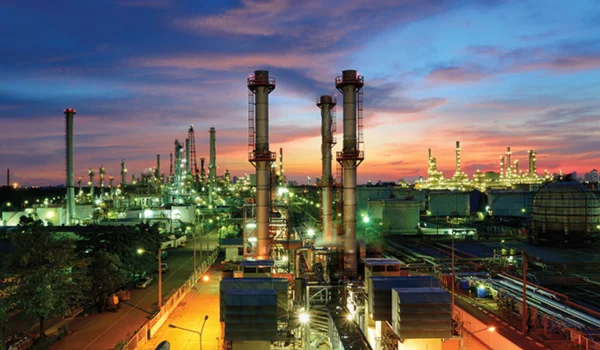
An industrial estate is a planned industrial zone developed to provide businesses with ready-to-use industrial infrastructure. These estates are generally established by state industrial development corporations or government agencies to encourage manufacturing, industrial investment, and employment generation.
Industrial estates typically include industrial plots, factory sheds, internal roads, electricity, water supply, drainage systems, street lighting, and other essential facilities required for industrial operations.
Unlike unplanned industrial locations, industrial estates are designed to create an organized business environment where multiple industries can operate efficiently.
Why Industrial Estates Are Important
Industrial estates contribute to economic development in several ways.
They help:
- Promote industrialization
- Support MSMEs
- Generate employment
- Attract domestic and foreign investment
- Improve industrial infrastructure
- Encourage exports
- Reduce logistics costs
- Develop regional economies
They also allow industries to operate in dedicated zones away from residential areas, improving urban planning and environmental management.
Types of Industrial Estates in India
Industrial estates are developed for different types of industries and business requirements.
General Industrial Estates
These estates accommodate businesses from multiple industries such as engineering, fabrication, packaging, furniture, plastics, and light manufacturing.
MSME Industrial Estates
Designed primarily for Micro, Small, and Medium Enterprises (MSMEs), these estates offer smaller industrial plots, shared infrastructure, and affordable business locations.
Sector-Specific Industrial Estates
Some industrial estates focus on a particular industry.
Examples include:
- Textile Estates
- Leather Estates
- Pharmaceutical Estates
- Food Processing Estates
- Electronics Manufacturing Estates
- Engineering Estates
Export-Oriented Industrial Estates
These estates support industries involved in exports and are often located close to ports, airports, or logistics hubs.
Private Industrial Estates
Apart from government-developed estates, several private developers also build industrial estates with modern infrastructure and business facilities.
Common Features of an Industrial Estate
Most industrial estates provide essential infrastructure to support industrial operations.
Typical facilities include:
- Industrial plots
- Factory sheds
- Internal roads
- Reliable electricity supply
- Water supply
- Drainage systems
- Street lighting
- Security
- Parking
- Warehousing
- Logistics connectivity
- Green spaces
- Common administrative facilities
The exact facilities vary depending on the location and development authority.
Industrial Estate vs Industrial Area vs Industrial Park
| Feature | Industrial Estate | Industrial Area | Industrial Park |
| Planning | Planned Development | General Industrial Zone | Modern Planned Development |
| Infrastructure | Ready Infrastructure | Varies by Location | Advanced Infrastructure |
| Developer | Mostly Government | Government or Private | Government or Private |
| Suitable For | MSMEs & Manufacturing | All Industries | Large & Modern Industries |
| Facilities | Standard Industrial Utilities | Depends on Area | Enhanced Business Facilities |
Major Industrial Estates in India
India has numerous industrial estates spread across different states.
Some well-known examples include:
Guindy Industrial Estate (Tamil Nadu)
One of India’s oldest industrial estates, known for engineering, manufacturing, and automobile-related industries.
Ambattur Industrial Estate (Tamil Nadu)
A major industrial estate supporting engineering, machinery, automobile components, and manufacturing businesses.
Verna Industrial Estate (Goa)
Known for pharmaceutical companies, engineering industries, and manufacturing units.
Peenya Industrial Area (Karnataka)
One of Asia’s largest industrial regions, home to engineering, machine tools, electronics, fabrication, and manufacturing industries.
Naroda Industrial Estate (Gujarat)
An important manufacturing and engineering hub developed in Gujarat.
Pithampur Industrial Area (Madhya Pradesh)
Often referred to as the “Detroit of India” in central India because of its automobile and engineering industries.
SIDCUL Industrial Estates (Uttarakhand)
Developed to promote manufacturing, pharmaceuticals, automobile components, and food processing industries.
RIICO Industrial Areas (Rajasthan)
Developed by RIICO across multiple cities to support manufacturing, engineering, textiles, and MSMEs.
Industrial Development Authorities in India
Industrial estates across India are managed by various state-level authorities.
| State | Authority |
| Maharashtra | MIDC |
| Gujarat | GIDC |
| Uttar Pradesh | UPSIDA |
| Haryana | HSIIDC |
| Rajasthan | RIICO |
| Tamil Nadu | SIPCOT & SIDCO |
| Karnataka | KIADB |
| Telangana | TGIIC |
| Andhra Pradesh | APIIC |
| Uttarakhand | SIDCUL |
These organizations develop industrial infrastructure, allocate industrial plots, and promote industrial investment.
Benefits of Setting Up a Business in an Industrial Estate
Businesses operating within industrial estates enjoy several advantages.
Planned Infrastructure
Industrial estates are designed with proper roads, drainage, electricity, and water supply to support industrial activities.
Better Connectivity
Many estates are located close to national highways, railway stations, ports, and airports, reducing transportation costs.
Industrial Ecosystem
Businesses benefit from operating alongside suppliers, manufacturers, logistics providers, and service companies.
Government Support
Many industrial estates are developed under government policies aimed at promoting industrial investment and MSME growth.
Expansion Opportunities
Businesses may have opportunities to expand operations within the same industrial estate or nearby industrial zones.
How to Apply for an Industrial Plot
The process varies by state and development authority, but it generally involves:
- Identifying a suitable industrial estate.
- Checking plot availability.
- Verifying eligibility requirements.
- Submitting an application to the relevant development authority.
- Providing business and project details.
- Completing the allotment process, if approved.
- Complying with local regulations before commencing operations.
Applicants should always refer to the respective industrial development authority for the latest procedures and requirements.
Future of Industrial Estates in India
India continues to expand its industrial infrastructure through new industrial estates, logistics parks, industrial corridors, and manufacturing clusters.
Growing sectors such as electric vehicles, renewable energy, electronics manufacturing, semiconductors, aerospace, food processing, and pharmaceuticals are expected to drive demand for modern industrial estates in the coming years.
Improved connectivity through highways, dedicated freight corridors, ports, and multimodal logistics parks is also strengthening industrial development across the country.
Frequently Asked Questions
What is an industrial estate?
An industrial estate is a planned industrial zone developed with essential infrastructure to support manufacturing and industrial businesses.
Who develops industrial estates in India?
Most industrial estates are developed by state industrial development corporations, government agencies, and in some cases, private developers.
What is the difference between an industrial estate and an industrial area?
An industrial estate is a planned industrial complex with organized infrastructure, while an industrial area is a broader term that may include planned and unplanned industrial zones.
Are industrial estates suitable for MSMEs?
Yes. Many industrial estates are specifically developed to support Micro, Small, and Medium Enterprises (MSMEs).
Can private companies develop industrial estates?
Yes. Alongside government agencies, private developers also establish industrial estates in many parts of India.
Which state has the most industrial estates?
States such as Maharashtra, Gujarat, Tamil Nadu, Karnataka, Uttar Pradesh, and Rajasthan have extensive networks of industrial estates.
Conclusion
Industrial estates are an essential part of India’s manufacturing ecosystem, providing businesses with organized infrastructure, reliable utilities, and a supportive industrial environment. They encourage investment, create employment, strengthen supply chains, and contribute significantly to regional and national economic growth.
Whether you are planning to establish a manufacturing unit, expand your business, or explore industrial investment opportunities, understanding industrial estates is the first step toward choosing the right location. As this website grows, you’ll also be able to explore detailed guides on state-wise industrial estates, city-wise industrial estates, industrial development authorities, and individual industrial estate profiles across India.