Industrial corridors are among India’s most ambitious infrastructure and economic development initiatives. These large-scale projects are designed to improve manufacturing, logistics, transportation, and industrial growth by connecting major cities, ports, industrial clusters, and economic centers through world-class infrastructure.
By integrating highways, railways, ports, airports, industrial parks, logistics hubs, and smart industrial cities, industrial corridors help attract investments, create employment opportunities, and strengthen India’s position as a global manufacturing destination.
Whether you’re a business owner, investor, student, or simply interested in India’s industrial development, this guide explains everything you need to know about industrial corridors in India.
Quick Information
| Topic | Details |
| Guide | Industrial Corridors in India |
| Purpose | Manufacturing, Logistics & Economic Development |
| Developed By | Government of India & State Governments |
| Major Components | Industrial Parks, Smart Cities, Logistics Hubs, Transport Infrastructure |
| Beneficiaries | Manufacturers, Exporters, Investors, MSMEs, Logistics Companies |
| Key Sectors | Automobile, Electronics, Engineering, Textiles, Pharmaceuticals, Food Processing |
What Is an Industrial Corridor?
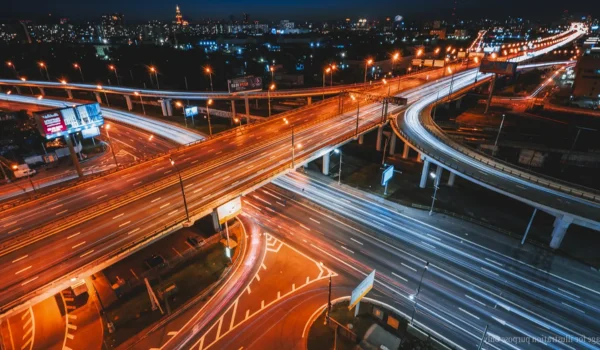
An industrial corridor is a large geographical region developed to promote industrialization by connecting multiple cities and industrial hubs through modern infrastructure.
Unlike a single industrial area or industrial park, an industrial corridor covers a much larger region and includes:
- Industrial parks
- Manufacturing clusters
- Logistics parks
- Warehousing zones
- Smart industrial cities
- Highways
- Rail freight networks
- Ports
- Airports
The objective is to create an integrated ecosystem that supports manufacturing, exports, and economic development.
Why Are Industrial Corridors Important?
Industrial corridors contribute significantly to India’s economic growth by:
- Encouraging manufacturing
- Improving logistics efficiency
- Reducing transportation costs
- Attracting domestic and foreign investment
- Creating employment opportunities
- Supporting exports
- Developing smart industrial cities
- Strengthening regional development
They also improve connectivity between production centers and domestic as well as international markets.
Major Industrial Corridors in India
India has several major industrial corridor projects at different stages of development.
Delhi–Mumbai Industrial Corridor (DMIC)
The Delhi–Mumbai Industrial Corridor is one of India’s largest infrastructure projects. It connects the National Capital Region with Mumbai through a high-capacity freight and industrial network.
Key Features
- Covers multiple states
- Dedicated freight connectivity
- Industrial nodes
- Smart industrial cities
- Manufacturing hubs
- Logistics infrastructure
States Covered
- Delhi
- Uttar Pradesh
- Haryana
- Rajasthan
- Madhya Pradesh
- Gujarat
- Maharashtra
Major Industries
- Automobile
- Engineering
- Electronics
- Chemicals
- Logistics
- Warehousing
Chennai–Bengaluru Industrial Corridor (CBIC)
The Chennai–Bengaluru Industrial Corridor connects two of South India’s largest manufacturing regions.
States Covered
- Tamil Nadu
- Karnataka
- Andhra Pradesh
Major Industries
- Automobile
- Electronics
- Aerospace
- Engineering
- Information Technology
- Manufacturing
Bengaluru–Mumbai Industrial Corridor (BMIC)
This corridor is designed to strengthen industrial connectivity between Karnataka and Maharashtra while supporting manufacturing and logistics growth.
Major Industries
- Engineering
- Automobile
- Electronics
- Logistics
- Industrial Manufacturing
Visakhapatnam–Chennai Industrial Corridor (VCIC)
The VCIC focuses on developing industrial infrastructure along India’s eastern coast.
States Covered
- Andhra Pradesh
- Tamil Nadu
Major Industries
- Petrochemicals
- Food Processing
- Engineering
- Pharmaceuticals
- Port-Based Industries
Amritsar–Kolkata Industrial Corridor (AKIC)
The AKIC aims to promote industrial development across northern and eastern India by improving infrastructure and connectivity.
States Covered
The corridor passes through several northern and eastern states while supporting manufacturing and logistics development.
Major Industries
- Engineering
- Agriculture Processing
- Manufacturing
- Logistics
East Coast Economic Corridor (ECEC)
The East Coast Economic Corridor is a long-term infrastructure initiative designed to improve industrial and economic development along India’s eastern coastline.
Major Focus Areas
- Ports
- Manufacturing
- Export Industries
- Logistics
- Industrial Clusters
Other Emerging Industrial Corridor Projects
India is also developing and expanding several regional industrial corridors and economic zones to strengthen manufacturing and supply chains.
These projects support:
- Electronics manufacturing
- Renewable energy
- Defence production
- Food processing
- Textile industries
- Logistics infrastructure
Industrial Corridors vs Industrial Areas
| Feature | Industrial Corridor | Industrial Area |
| Coverage | Multi-State / Large Region | Single Industrial Zone |
| Infrastructure | Integrated Transport & Industry | Industrial Infrastructure |
| Includes | Cities, Parks, Logistics, Freight Networks | Factories & Industrial Units |
| Purpose | Regional Economic Development | Manufacturing & Industrial Operations |
Industrial Corridors vs Industrial Parks
| Feature | Industrial Corridor | Industrial Park |
| Scale | Very Large | Localized |
| Coverage | Multiple Cities & States | Single Location |
| Infrastructure | Transport + Industry | Industrial Infrastructure |
| Focus | Economic Development | Manufacturing & Business Operations |
Industries Benefiting from Industrial Corridors
Industrial corridors support a wide range of sectors.
Major industries include:
- Automobile Manufacturing
- Auto Components
- Electronics
- Engineering
- Pharmaceuticals
- Chemicals
- Food Processing
- Textile Manufacturing
- Renewable Energy
- Aerospace
- Defence Manufacturing
- Logistics
- Warehousing
Benefits of Industrial Corridors
Industrial corridor projects offer several advantages.
Better Connectivity
Modern highways, freight rail networks, ports, and airports improve transportation efficiency.
Lower Logistics Costs
Businesses can transport raw materials and finished products more efficiently.
Industrial Investment
Industrial corridors attract both domestic and international investment.
Employment Generation
Large industrial projects create direct and indirect employment opportunities.
Manufacturing Growth
Industrial corridors strengthen India’s manufacturing ecosystem and encourage industrial expansion.
Smart Industrial Cities
Several industrial corridors include the development of integrated industrial townships with modern infrastructure.
Future of Industrial Corridors in India
Industrial corridors are expected to play a major role in achieving India’s long-term manufacturing and export goals.
Future development is likely to focus on:
- Electric Vehicle Manufacturing
- Semiconductor Ecosystems
- Green Manufacturing
- Renewable Energy
- Multimodal Logistics Parks
- Smart Industrial Townships
- Digital Infrastructure
- Sustainable Industrial Development
These initiatives are expected to improve India’s competitiveness in global manufacturing and supply chains.
Frequently Asked Questions
What is an industrial corridor?
An industrial corridor is a large integrated region connecting industrial cities, logistics hubs, transport infrastructure, and manufacturing clusters to promote industrial development.
Which is the largest industrial corridor in India?
The Delhi–Mumbai Industrial Corridor (DMIC) is widely regarded as one of India’s largest and most significant industrial corridor projects.
How is an industrial corridor different from an industrial area?
An industrial corridor covers multiple cities and states with integrated transport and industrial infrastructure, whereas an industrial area is a specific location where industries operate.
Which industries benefit the most from industrial corridors?
Automobile manufacturing, electronics, engineering, pharmaceuticals, logistics, food processing, textiles, and chemical industries are among the major beneficiaries.
Why are industrial corridors important?
They improve connectivity, reduce logistics costs, attract investment, create employment, and strengthen manufacturing and exports.
Conclusion
Industrial corridors are transforming India’s manufacturing landscape by connecting industrial hubs with world-class transport and logistics infrastructure. These large-scale projects support economic growth, attract investment, improve supply chains, and create opportunities across multiple industries.
As India continues to expand its industrial ecosystem, industrial corridors will remain key drivers of manufacturing, exports, logistics, and regional development. Explore our related guides on industrial areas, industrial parks, industrial estates, manufacturing hubs, and industrial development authorities to gain a deeper understanding of India’s industrial infrastructure.