Industrial areas in India play a vital role in the country’s economic growth by providing dedicated spaces for manufacturing, warehousing, logistics, and commercial production. From large industrial hubs like MIDC in Maharashtra and GIDC in Gujarat to major manufacturing clusters in Delhi, Noida, Gurugram, Chennai, Bengaluru, and Pune, these areas support thousands of businesses across different industries.
Whether you are an entrepreneur looking to set up a factory, an investor searching for industrial land, a job seeker exploring employment opportunities, or simply someone wanting to understand India’s industrial landscape, this guide covers everything you need to know.
Quick Information
| Topic | Details |
| Guide | Industrial Areas in India |
| Purpose | Manufacturing, Warehousing & Industrial Development |
| Common Types | Industrial Areas, Industrial Estates, Industrial Parks, SEZs |
| Major Industries | Automobile, Textile, Electronics, Pharma, Chemicals, Food Processing, Engineering |
| Developed By | State Industrial Development Authorities & Private Developers |
| Suitable For | Manufacturers, MSMEs, Exporters, Logistics Companies, Investors |
| Popular States | Maharashtra, Gujarat, Tamil Nadu, Karnataka, Haryana, Uttar Pradesh, Telangana |
What Is an Industrial Area?
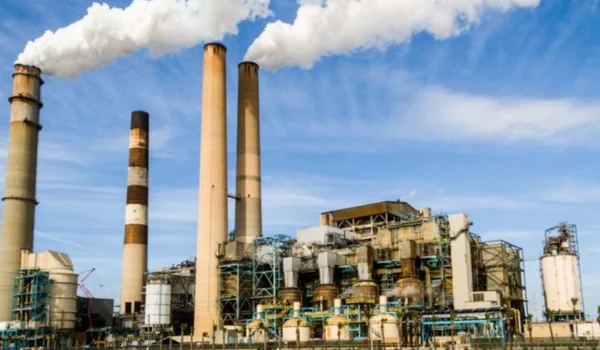
An industrial area is a designated zone where manufacturing units, factories, warehouses, workshops, logistics centers, and industrial businesses operate together. These areas are planned with essential infrastructure such as roads, electricity, water supply, drainage systems, and transportation connectivity to support industrial activities.
Industrial areas are usually located outside densely populated residential zones to ensure smooth operations while minimizing environmental and traffic impacts.
Why Industrial Areas Are Important
Industrial areas contribute significantly to India’s economy by supporting businesses of all sizes.
Some of the major benefits include:
- Promote manufacturing and industrial production
- Generate employment opportunities
- Improve export capabilities
- Attract domestic and foreign investment
- Support MSMEs and startups
- Reduce logistics costs
- Encourage regional economic development
- Develop supporting infrastructure
Types of Industrial Areas in India
India has several types of industrial zones designed to meet different business requirements.
Industrial Areas
These are general-purpose industrial zones where multiple industries operate together.
Examples include manufacturing units, engineering workshops, warehouses, and fabrication plants.
Industrial Estates
Industrial estates are planned industrial zones developed mainly by government agencies to provide affordable industrial plots and infrastructure for small and medium-sized businesses.
Common features include:
- Ready industrial plots
- Internal roads
- Electricity
- Water supply
- Drainage
- Common facilities
Industrial Parks
Industrial parks are modern business zones developed by government agencies or private developers. They usually provide better infrastructure and are designed for specific industries or multiple sectors.
Examples include:
- Electronics Parks
- Textile Parks
- Food Parks
- Engineering Parks
- IT Hardware Parks
Special Economic Zones (SEZs)
SEZs are specially designated areas focused on exports and international trade. Businesses operating inside SEZs receive various policy and tax-related incentives subject to applicable government regulations.
Manufacturing Clusters
Manufacturing clusters consist of businesses operating in the same industry within a specific geographic area.
Examples include:
- Automobile clusters
- Textile clusters
- Pharmaceutical clusters
- Ceramic clusters
- Leather clusters
Industrial Area vs Industrial Estate vs Industrial Park vs SEZ
| Feature | Industrial Area | Industrial Estate | Industrial Park | SEZ |
| Purpose | General industries | MSMEs & industries | Planned industrial development | Export-oriented industries |
| Developer | Government/Private | Mostly Government | Government/Private | Government Approved |
| Infrastructure | Standard | Planned | Advanced | Export-focused |
| Industries | Mixed | Small & Medium | Mixed or Sector-specific | Export Businesses |
Major Industrial States in India
Several Indian states have developed extensive industrial infrastructure over the years.
Maharashtra
Known for:
- MIDC Industrial Areas
- Automobile manufacturing
- Engineering
- Chemicals
- Pharmaceuticals
Gujarat
Popular for:
- GIDC Industrial Estates
- Petrochemicals
- Chemicals
- Ceramics
- Textiles
- Engineering
Tamil Nadu
Major industries include:
- Automobile manufacturing
- Electronics
- Textiles
- Heavy engineering
Karnataka
Industrial strengths include:
- Aerospace
- Electronics
- Precision engineering
- Biotechnology
- Automobile manufacturing
Haryana
Well known for:
- Automobile manufacturing
- Auto components
- Warehousing
- Logistics
- Engineering industries
Uttar Pradesh
Major industrial sectors include:
- Electronics
- Manufacturing
- Food processing
- Leather
- Engineering
- MSMEs
Telangana
Popular industries include:
- Pharmaceuticals
- Biotechnology
- IT Hardware
- Electronics
- Manufacturing
Largest Industrial Areas in India
Some of India’s well-known industrial regions include:
- MIDC Industrial Areas (Maharashtra)
- GIDC Industrial Estates (Gujarat)
- SIPCOT Industrial Parks (Tamil Nadu)
- Peenya Industrial Area (Karnataka)
- Okhla Industrial Area (Delhi)
- IMT Manesar (Haryana)
- Chakan Industrial Area (Maharashtra)
- Bommasandra Industrial Area (Karnataka)
- Sriperumbudur Industrial Region (Tamil Nadu)
- Sanand Industrial Area (Gujarat)
Major Industries Operating in Industrial Areas
Industrial areas support a wide range of businesses.
Common sectors include:
- Automobile Manufacturing
- Textile Industry
- Pharmaceuticals
- Food Processing
- Chemical Manufacturing
- Plastic Products
- Steel Fabrication
- Electronics Manufacturing
- Packaging
- Furniture Manufacturing
- Electrical Equipment
- Warehousing
- Logistics
- Engineering
Benefits of Setting Up a Business in an Industrial Area
Businesses often prefer industrial areas because they offer several operational advantages.
Better Infrastructure
Industrial areas usually provide wider roads, uninterrupted power supply, water availability, drainage, and better connectivity.
Lower Logistics Costs
Many industrial zones are located near highways, ports, railway stations, airports, or freight corridors, making transportation more efficient.
Business Ecosystem
Operating close to suppliers, manufacturers, transport companies, and service providers improves business efficiency.
Government Support
Many industrial zones are developed under state industrial development authorities that offer infrastructure support and business facilitation.
Expansion Opportunities
Businesses can often expand within industrial zones where additional plots or industrial sheds are available.
Industrial Development Authorities in India
Different states have dedicated agencies responsible for planning and managing industrial infrastructure.
Some well-known authorities include:
| State | Authority |
| Maharashtra | MIDC |
| Gujarat | GIDC |
| Uttar Pradesh | UPSIDA |
| Haryana | HSIIDC |
| Rajasthan | RIICO |
| Tamil Nadu | SIPCOT |
| Karnataka | KIADB |
| Telangana | TGIIC |
| Andhra Pradesh | APIIC |
How to Choose the Right Industrial Area
Before selecting an industrial location, consider the following factors:
- Availability of industrial land
- Road connectivity
- Railway access
- Airport proximity
- Availability of skilled labour
- Electricity and water supply
- Environmental regulations
- Nearby suppliers
- Logistics support
- Future expansion possibilities
Future of Industrial Areas in India
India continues to invest in industrial infrastructure through manufacturing initiatives, industrial corridors, logistics parks, and sector-specific industrial zones.
Growing sectors such as electric vehicles, renewable energy, electronics manufacturing, semiconductor production, pharmaceuticals, and food processing are expected to create new opportunities across industrial regions in the coming years.
Frequently Asked Questions
What is an industrial area?
An industrial area is a designated location developed for factories, manufacturing units, warehouses, logistics companies, and other industrial businesses.
What is the difference between an industrial area and an industrial estate?
An industrial area is a broad term for a manufacturing zone, while an industrial estate is a planned industrial complex, often developed by a government agency with ready infrastructure.
What is an industrial park?
An industrial park is a planned business zone that provides modern infrastructure and facilities for industries operating in one or multiple sectors.
What is an SEZ?
A Special Economic Zone (SEZ) is a specially notified area that promotes export-oriented businesses through policy incentives and dedicated infrastructure.
Which state has the most industrial areas?
States such as Maharashtra, Gujarat, Tamil Nadu, Karnataka, Haryana, and Uttar Pradesh have some of the largest and most developed industrial networks in India.
Can small businesses operate in industrial areas?
Yes. Many industrial areas are specifically designed to support MSMEs, startups, and small manufacturing units.
Are industrial plots available for purchase?
In many industrial areas, industrial plots may be available through government authorities, industrial development corporations, or private developers, subject to eligibility and local regulations.
Why are industries located outside residential areas?
Industrial activities often involve heavy machinery, transportation, storage, and manufacturing processes. Dedicated industrial zones help improve safety, planning, and environmental management.
Conclusion
Industrial areas are the backbone of India’s manufacturing and industrial ecosystem. They provide businesses with essential infrastructure, better connectivity, and a supportive environment for production, logistics, and expansion. From government-developed industrial estates to modern industrial parks and export-focused SEZs, these zones continue to drive economic growth and employment across the country.
As this guide expands, you can explore detailed articles on state-wise industrial areas, city-wise industrial hubs, industrial parks, industrial estates, development authorities, and individual industrial area guides to find the information most relevant to your business or investment needs.