Special Economic Zones (SEZs) have become an important part of India’s industrial and export ecosystem. These specially designated areas are developed to promote exports, attract investment, encourage manufacturing and services, and improve the country’s global competitiveness.
SEZs provide businesses with world-class infrastructure, simplified administrative procedures, and a business-friendly environment to support industrial and commercial activities. Today, India has hundreds of notified and operational SEZs spread across different states, covering sectors such as information technology, pharmaceuticals, engineering, electronics, textiles, biotechnology, gems and jewellery, and multi-product manufacturing.
Whether you are an entrepreneur, exporter, investor, student, or simply interested in India’s industrial development, this guide explains everything you need to know about Special Economic Zones in India.
Quick Information
| Topic | Details |
| Guide | Special Economic Zones (SEZs) in India |
| Purpose | Promote Exports, Manufacturing & Investment |
| Established Under | Special Economic Zones Act, 2005 |
| Suitable For | Exporters, Manufacturers, Service Providers, Investors |
| Common Sectors | IT, Electronics, Pharma, Engineering, Textiles, Biotechnology |
| Coverage | State-wise SEZ Information Across India |
What Is a Special Economic Zone (SEZ)?
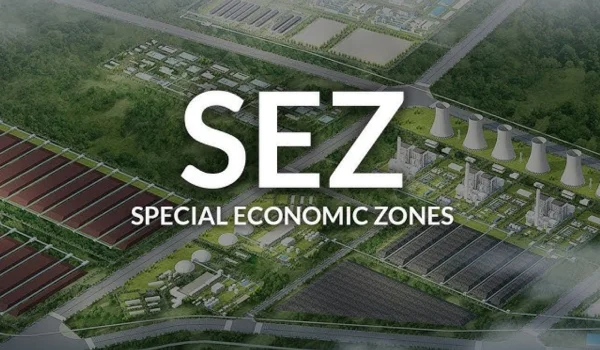
A Special Economic Zone (SEZ) is a specifically designated area established to encourage exports, investment, manufacturing, and economic development. These zones are developed with modern infrastructure and simplified administrative processes to create a business-friendly environment for eligible businesses.
SEZs are designed to improve India’s export performance while attracting both domestic and foreign investment in manufacturing and service industries.
Objectives of SEZs
The primary objectives of Special Economic Zones include:
- Promote exports
- Encourage industrial growth
- Attract domestic and foreign investment
- Generate employment
- Develop world-class infrastructure
- Improve manufacturing competitiveness
- Support service industries
- Increase economic development
Key Features of SEZs
Special Economic Zones generally offer:
- Planned industrial infrastructure
- Integrated business environment
- Manufacturing and service facilities
- Logistics support
- Warehousing
- Reliable utilities
- Simplified administrative procedures
- Export-oriented ecosystem
The facilities available may vary depending on the type and location of the SEZ.
Types of SEZs in India
India has different categories of Special Economic Zones based on industry and business activities.
Multi-Product SEZs
These SEZs accommodate businesses from multiple industries including manufacturing, engineering, logistics, electronics, and exports.
Information Technology (IT) / ITES SEZs
Developed primarily for:
- Software Development
- IT Services
- Business Process Management (BPM)
- Technology Companies
Biotechnology SEZs
Designed to support biotechnology research, pharmaceutical manufacturing, healthcare, and life sciences industries.
Engineering SEZs
These SEZs focus on engineering products, machinery, industrial equipment, fabrication, and manufacturing.
Electronics SEZs
Support manufacturing of:
- Consumer Electronics
- Electronic Components
- Electrical Equipment
- Hardware Products
Textile SEZs
Developed for textile manufacturing, garment production, apparel exports, and related industries.
Pharmaceutical SEZs
Support pharmaceutical manufacturing, medical devices, healthcare products, and biotechnology industries.
Gems & Jewellery SEZs
Dedicated to jewellery manufacturing, gemstone processing, exports, and related businesses.
Benefits of SEZs
Special Economic Zones provide several advantages for businesses.
World-Class Infrastructure
Most SEZs offer modern industrial infrastructure, roads, utilities, communication networks, and logistics facilities.
Export-Oriented Environment
SEZs are designed to support businesses engaged in international trade and exports.
Efficient Business Operations
Many SEZs provide streamlined administrative processes and integrated industrial infrastructure that help businesses operate efficiently.
Better Connectivity
SEZs are often located near ports, airports, highways, or freight corridors to facilitate the movement of goods.
Business Ecosystem
Companies operating within an SEZ benefit from proximity to suppliers, logistics providers, manufacturers, and service companies.
Major Special Economic Zones in India
India has numerous operational Special Economic Zones across different sectors.
Some of the well-known SEZs include:
Mundra SEZ (Gujarat)
A major multi-product Special Economic Zone with excellent port connectivity and industrial infrastructure.
Santa Cruz Electronic Export Processing Zone (Maharashtra)
One of India’s earliest export-oriented zones, supporting electronics and related industries.
Sri City SEZ (Andhra Pradesh)
A large integrated industrial township with manufacturing, logistics, engineering, and export-oriented businesses.
Mahindra World City SEZ (Tamil Nadu)
Hosts companies from information technology, engineering, manufacturing, logistics, and other sectors.
Noida Special Economic Zone (Uttar Pradesh)
One of North India’s prominent export-oriented industrial zones supporting manufacturing and services.
Cochin Special Economic Zone (Kerala)
Supports manufacturing, exports, engineering, electronics, and industrial development.
State-wise SEZ Development
Many Indian states have developed Special Economic Zones to promote investment and exports.
| State | Major Focus Sectors |
| Andhra Pradesh | Manufacturing, Electronics, Logistics |
| Gujarat | Multi-Product, Chemicals, Engineering |
| Haryana | IT, Manufacturing |
| Karnataka | IT, Electronics, Aerospace |
| Kerala | Engineering, Electronics |
| Maharashtra | IT, Manufacturing, Gems & Jewellery |
| Tamil Nadu | Automobile, Electronics, Engineering |
| Telangana | IT, Pharmaceuticals |
| Uttar Pradesh | Manufacturing, Electronics |
| West Bengal | IT, Engineering |
SEZ vs Industrial Area vs Industrial Park
| Feature | SEZ | Industrial Park | Industrial Area |
| Primary Focus | Export-Oriented Development | Manufacturing & Business Growth | General Industrial Activities |
| Coverage | Notified Zone | Planned Industrial Location | Industrial Zone |
| Infrastructure | Modern | Planned | Standard |
| Industries | Manufacturing & Services | Mixed or Sector-Specific | Mixed Industries |
Who Can Set Up a Business in an SEZ?
Businesses from various sectors may establish operations in SEZs, subject to applicable laws, approvals, and the policies governing the specific zone.
Common sectors include:
- Manufacturing
- Information Technology
- Engineering
- Pharmaceuticals
- Electronics
- Biotechnology
- Food Processing
- Textiles
- Logistics
- Export Services
Businesses should always verify the eligibility criteria and operational requirements before setting up in a particular SEZ.
Choosing the Right SEZ
When evaluating an SEZ, businesses should consider:
- Industry suitability
- Infrastructure
- Connectivity
- Availability of industrial space
- Labour availability
- Logistics support
- Utility services
- Expansion opportunities
- Regulatory requirements
Selecting the right SEZ depends on the nature of the business and its operational needs.
Future of SEZs in India
SEZs continue to play an important role in India’s industrial and export strategy.
Growth opportunities are expected in sectors such as:
- Electronics Manufacturing
- Semiconductor Ecosystems
- Electric Vehicles
- Renewable Energy
- Pharmaceuticals
- Aerospace
- Defence Manufacturing
- Biotechnology
- Digital Services
As infrastructure improves and manufacturing expands, SEZs are likely to remain key centers for investment and export-oriented industries.
Frequently Asked Questions
What is an SEZ?
A Special Economic Zone (SEZ) is a designated area developed to promote exports, manufacturing, services, and investment through modern infrastructure and a business-friendly environment.
What is the purpose of an SEZ?
SEZs aim to encourage exports, attract investment, create employment, improve industrial infrastructure, and strengthen economic growth.
What industries operate in SEZs?
Common industries include information technology, electronics, pharmaceuticals, engineering, textiles, biotechnology, manufacturing, and export-oriented services.
Are SEZs available in every state?
Many Indian states have operational SEZs, although the number, size, and industrial focus vary from state to state.
What is the difference between an SEZ and an industrial park?
An SEZ is a specially notified area focused primarily on export-oriented activities, while an industrial park is a planned industrial location that supports manufacturing and business operations across various sectors.
Can MSMEs operate in SEZs?
Depending on the specific SEZ’s policies and eligibility requirements, MSMEs may establish operations in suitable zones.
Conclusion
Special Economic Zones have become a vital part of India’s industrial and export infrastructure by providing modern facilities, strong connectivity, and an environment that supports manufacturing and services. They contribute to employment generation, investment, exports, and industrial development across multiple sectors.
Whether you are planning to expand your business, explore export opportunities, or understand India’s industrial ecosystem, SEZs offer an important gateway to manufacturing and global trade. As this website grows, you can also explore state-wise SEZ guides, individual SEZ profiles, industrial parks, industrial estates, and industrial area directories to gain a deeper understanding of India’s industrial landscape.